Many who have never pulled a camper wonder what life on the road is like. I’ll try to give you an idea, but remember we are rookies here. Pulling a home has many variations. I know virtually nothing about folks that drive these massive homes that serve as your car and home. These are referred to as mobile homes. I really want to survey these people and ask if they are former truckers who just love being on the road and instead of hauling goods they haul their homes. I don’t want to stereotype, but I can’t imagine just deciding to do that without a background in trucking.
There are smaller mobile homes, vans I guess, that are like snails in that you always remain with your shell. You take it everywhere and when parked at a campsite you need to leave something else behind, like outdoor chairs, to mark your territory. It’s a tiny space, but if I were on my own I might choose this so I wouldn’t have to worry about trailer hitching and all those mechanical things I’m not so sure about.
There are all levels of comfort. The more comfort you want the larger vehicle you need to have to pull your house on wheels. Or, more expensive, better built rigs like Air Streams and Merceds models. Fifth wheels are quite large and you need a truck to pull them. They have this huge attachment that sits in the bed of the truck that you attach the trailer to. With these, you can diss-attach, leave your rig, and use your truck free of it’s home.
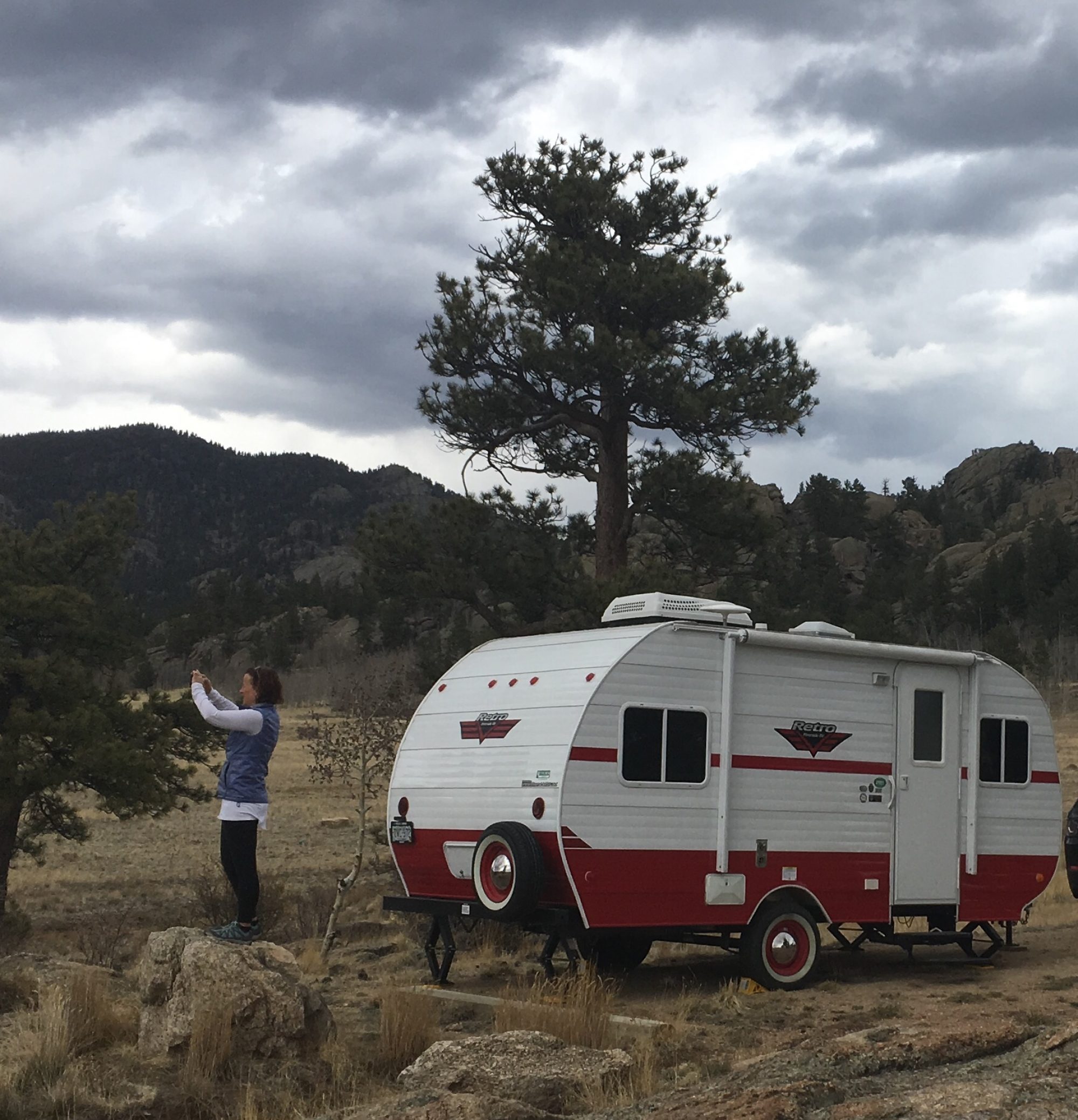
Then, basically you get into trailers or campers. I’m still not sure yet if these terms are interchangeable or not, but I’m betting they are. Again, there are a variety of sizes from about 12 feet to maybe 45 feet. Elvis is 14 feet, with the towing equipment it’s 17. There are some around 12 or 13 feet, cute as can be but not a whole lot of space. Once again, you need to know what you’re comfortable pulling and the size of the car or truck doing the pulling. I think you better have some bus driving experience for over 20 feet – but, what do I know.
There are teardrops, which we seriously considered. They are easy to pull – even a reliable Subaru works. You can park it in your garage, see out the back pretty easily, and hook up in no time. What you get with these are a bed in a glorified tent and a kitchen setup around back when you lift it open like a tailgate. You’re off the ground on a mattress and you can heat it up, you can have a cooler or fridge and your kitchen is always set up and ready for action. If you are used to tent camping it’s a bit easier – but worth the cost? Yes, if you camp all year, especially during these cold desert nights in winter.
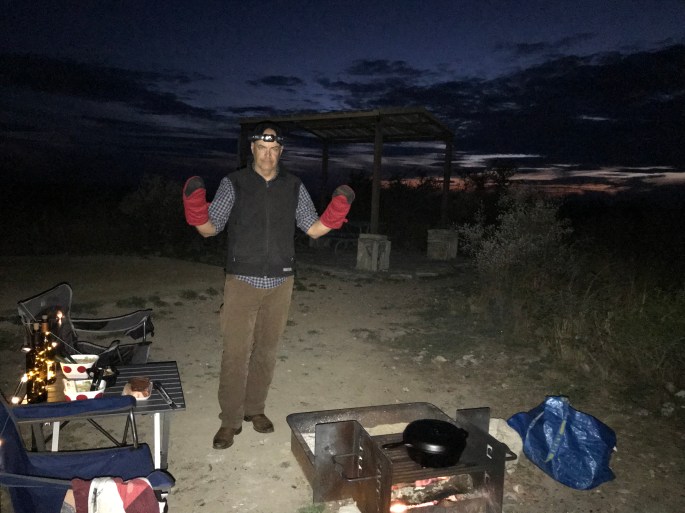
That brings up another point. We have been tenters and that helps a lot. We have done some backcountry camping, but mostly we have been car campers. That means pulling into a campground as we do now, but we’d set up our tent instead of a camper. We did this a lot with our kids when we had tons of energy and could sleep on a hard surface and still move around in the morning. And all those rainy days – we just rolled with it. Well, except for that one time in Acadia when we woke up each morning with a river in our tent and had to spend the morning drying sleeping bags and clothes at the local laundromat. Most of the time – we all loved it. By day we hiked and the kids were entertained by nature. We later cooked and ate around the campfire and at night enjoyed looking up into the night sky. This is how we did our family vacations out west – backpacks on the plane and our only checked baggage was our tent. All of this has prepared us well for our camping days because even with a camper things don’t always go smoothly.
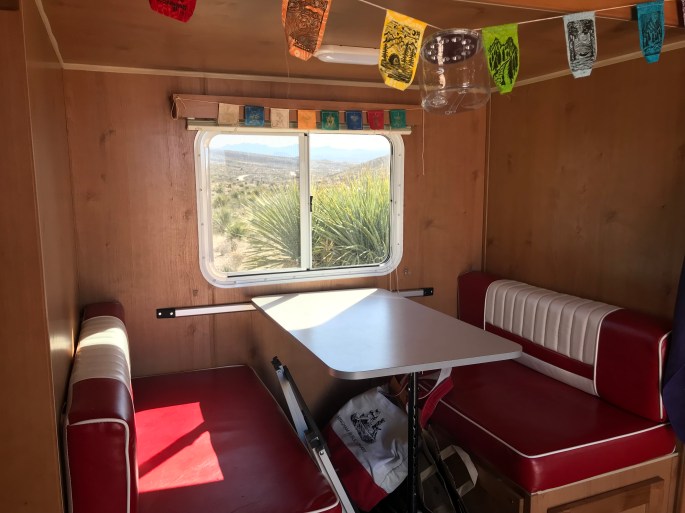
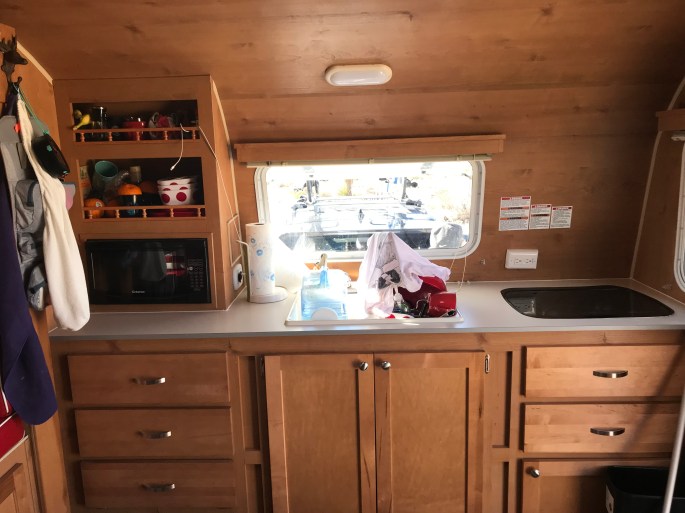
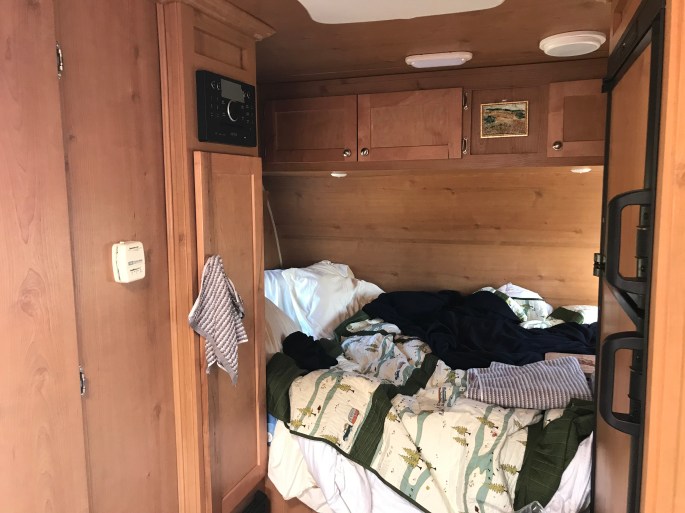
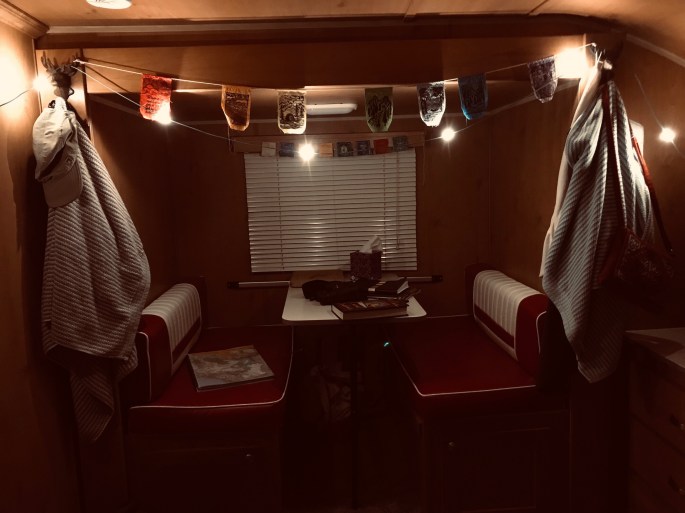
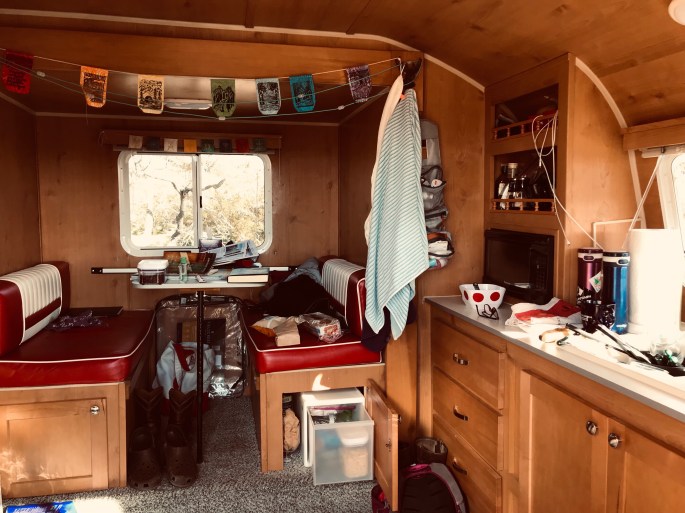
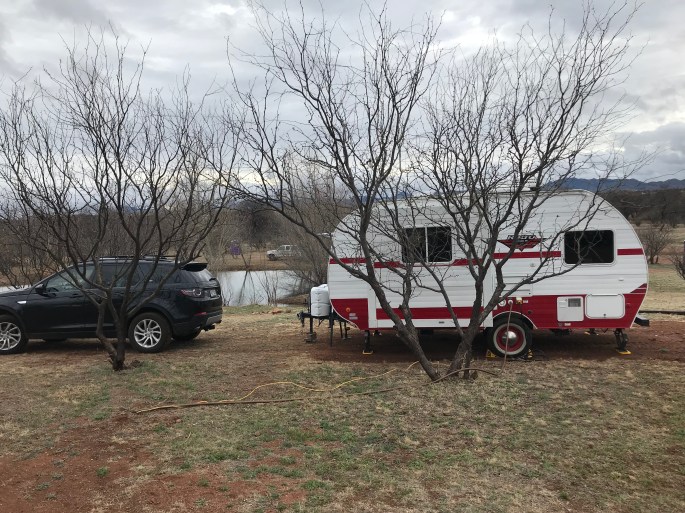
Now, with Elvis we can camp all year and we and don’t have to worry about the weather too much. For an overnight our trailer is unnecessary, but we were planning for long trips on the road when we bought it. We can stand in our camper, we have a kitchen with a good size fridge, a booth with our red vinyl seats, a bed we don’t have to make up each night, and a bathroom you can shower in. As far as campers go in this world it’s pretty basic. With its light birch wood interior we think of it as our own little cabin. When you are on the road for an extended amount of time it’s nice to have some space and not have to pack and unpack all the time. And, this time of year with temperatures on either side of 30 degrees, rain and some snow, we are so grateful to have heat and a place to come in from the weather.
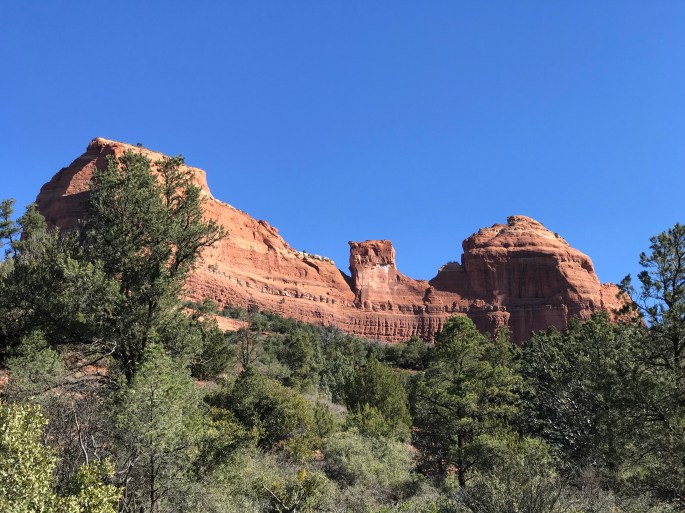
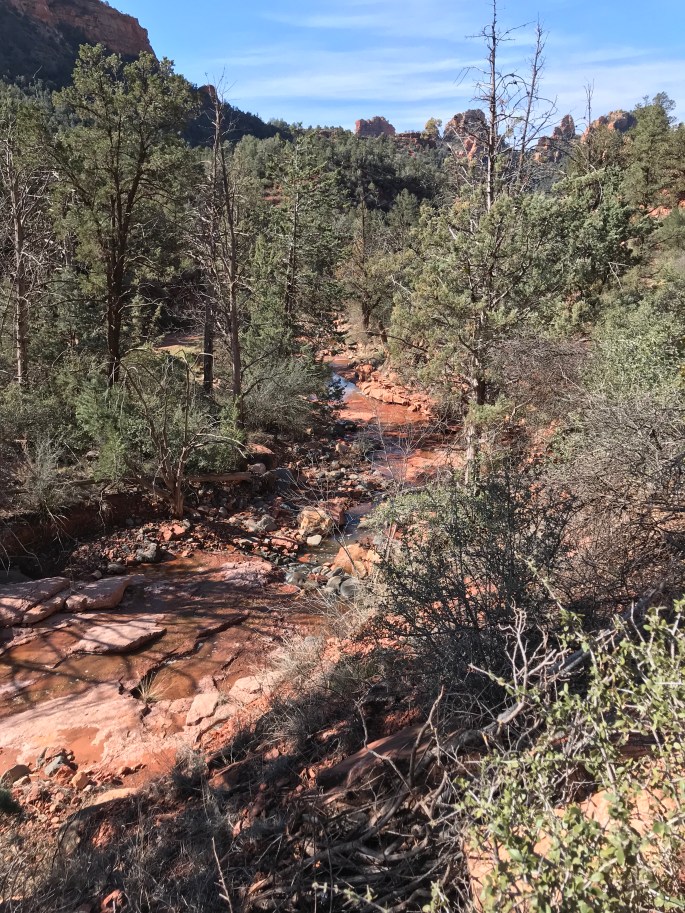
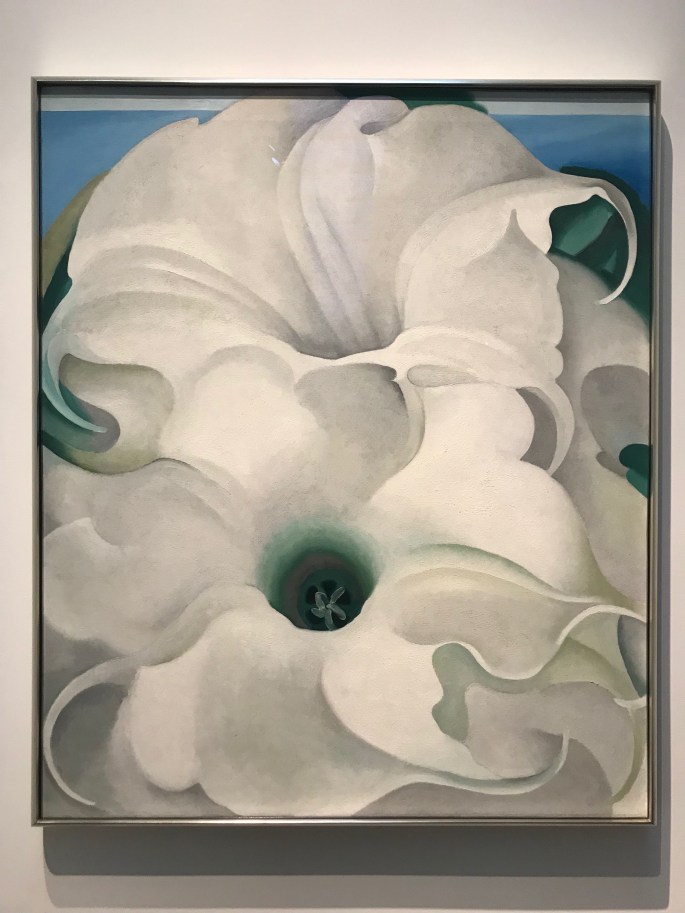
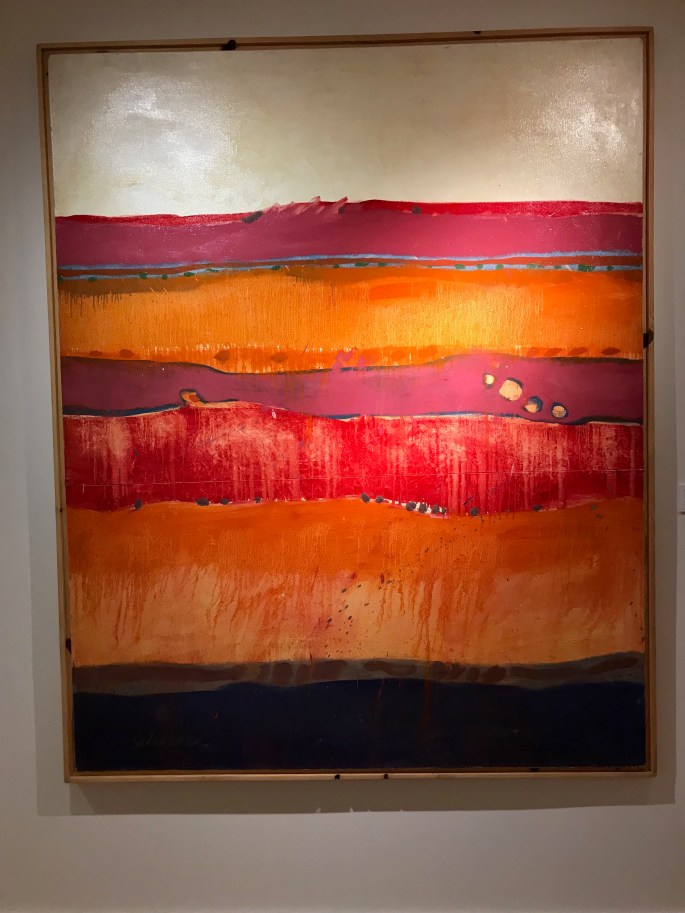
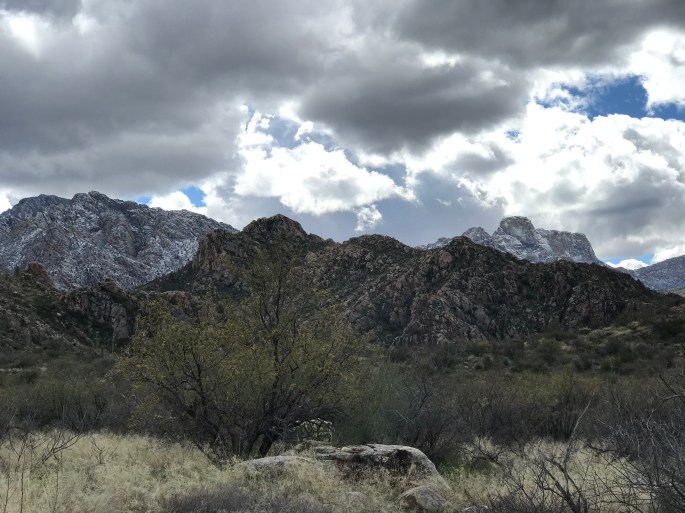
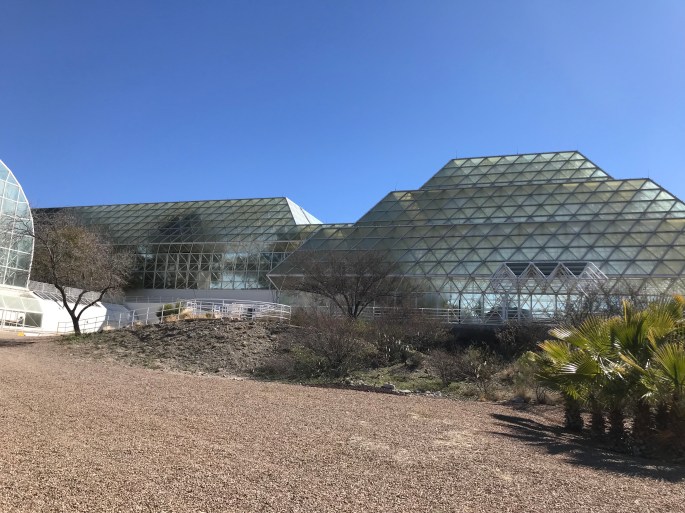
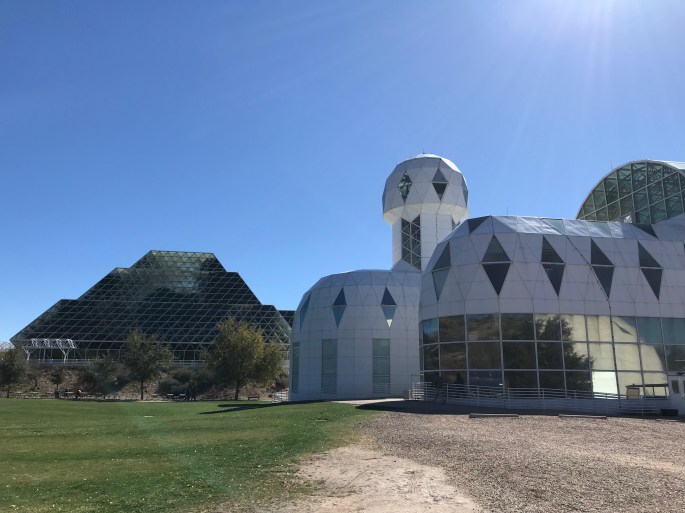
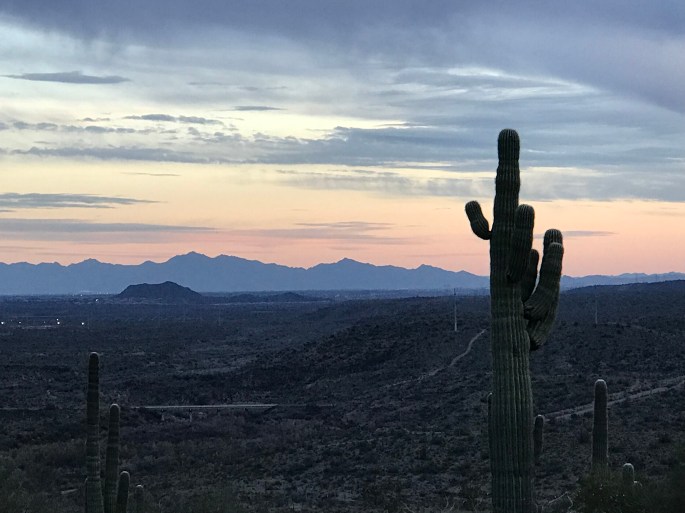
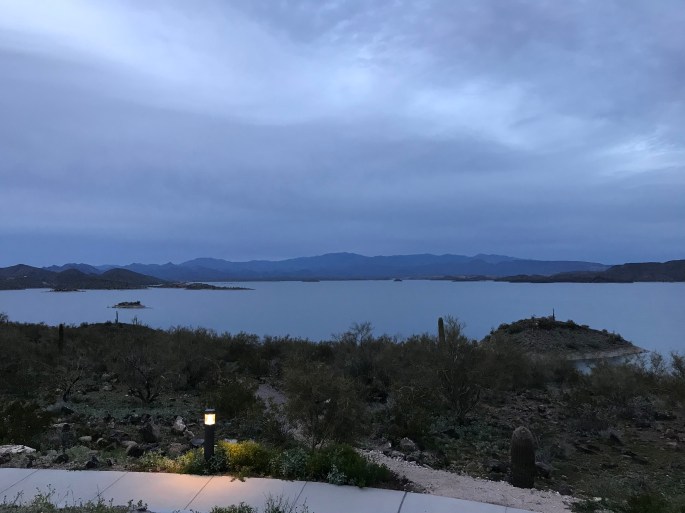
When we were in Arizona and it did nothing but rain for two days we were grateful for our cabin. During this time we would take advantage of museum visits, a happy hour drink, and then back to Elvis to read, write, do a crossword, or play a game. We would step out for walks when there was a break in the weather but basically we were quite content to relax in our little cabin. When we stay for a few days we tend to keep up with staying organized in the camper. With shorter visits we tend to throw stuff around and leave things out until we have to pull it all together in one swoop anyway. Whatever the case, we love waking up and looking out the window at our new surroundings and stepping outside to soak up the natural world we find ourselves in.
I hate to admit this, but we have very stereotypical male and female roles when it come to our camper. Mike attaches it to the hitch while I take care of making sure everything is stored away inside so as not to go flying during our travels. Mike likes to drive and pull the rig, and I’d rather sit and daydream as we take in the passing views. Plus, backing up, making tight turns, driving in winds on the freeway – Mike can have it! I read, write, and have even started embroidering. We also listen to books on tape, blast some music, or just chill and take in the scenery.
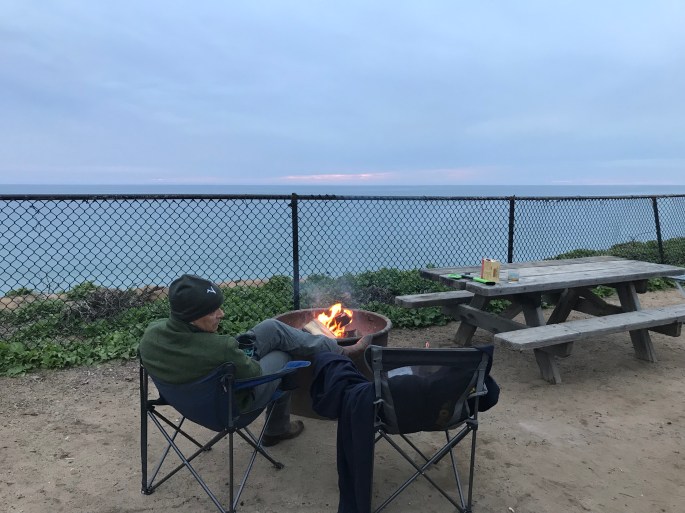
When we get to a campsite we break free from the trailer. Once we have Elvis set up we can be free to take off in our car for excursions and then come back to relax and sleep. Set up involves hooking up a hose for water and plugging into the electricity. We then have lights, running water, and heat from the propane tanks attached to the front of Elvis. Every once in a while we have to empty out the tanks of water – fresh, grey, and black. You can figure out that one. There are always dumping stations at most campgrounds. When we don’t hook up, we can still use Elvis but our electricity runs off of a battery. This is referred to as dry camping or primitive camping. You need to fill your fresh water tank in advance, have propane in the tank, and be sure your battery is charged. The only difference is you are draining your battery. The advantage is we can set up anywhere. In National Forests you just need to get off the road and you can camp. It’s really easy to do in Colorado where there is so much opportunity for this type of camping. And, Elvis has high clearance so that helps on some of the rugged dirt roads. Obviously, this way we don’t have to be in a campground and we enjoy the privacy and freedom this offers. This mode of camping is called boondocking.
Campgrounds vary too and we have met people from all walks of life during our stays. People are usually coming and going, but some stay for weeks before packing up again. Many are snowbirds coming south from Canada, Alaska, Montana and such. In National Parks there is usually a two week limit for campers. On this trip, we have discovered that some private campgrounds offer sites to short-stay visitors like us and to full-time residents. We met several couples telling us their stories of selling their homes and living in their trailers full time. They figure out how to keep their money in a bank that doesn’t require a permanent address, deal with the DMV for licenses and registrations, and find campgrounds with good policies (and low costs) for long-termers. They tried to convince us not to work again and that we could find other ways to make money at campsites. They certainly appear to be happy and have everything they need but Mike and I know we need a home base and the comforts of home. But, with a trailer, we can now have the best of both worlds and we feel incredibly grateful for our good fortune.
Yet, this certainly isn’t for everyone. You tend to wear the same clothes, eat easy-cook meals, shower once or twice a week, and live in close quarters. Plans break down and so do the workings of the trailer at times. Alas, for us the benefits are plentiful! We are outside all day, the landscape is ever-changing, new treasures abound, catching glimpses of wildlife is exciting, finding birds and wildflowers of another region is a real thrill, and having time to ponder life and the world’s surroundings is truly inspirational. And, unlike a planned vacation, not knowing where the road is taking you, changing plans on a whim, and being surprised along the way is liberating and joyful.




 Arna’s Ramblings